


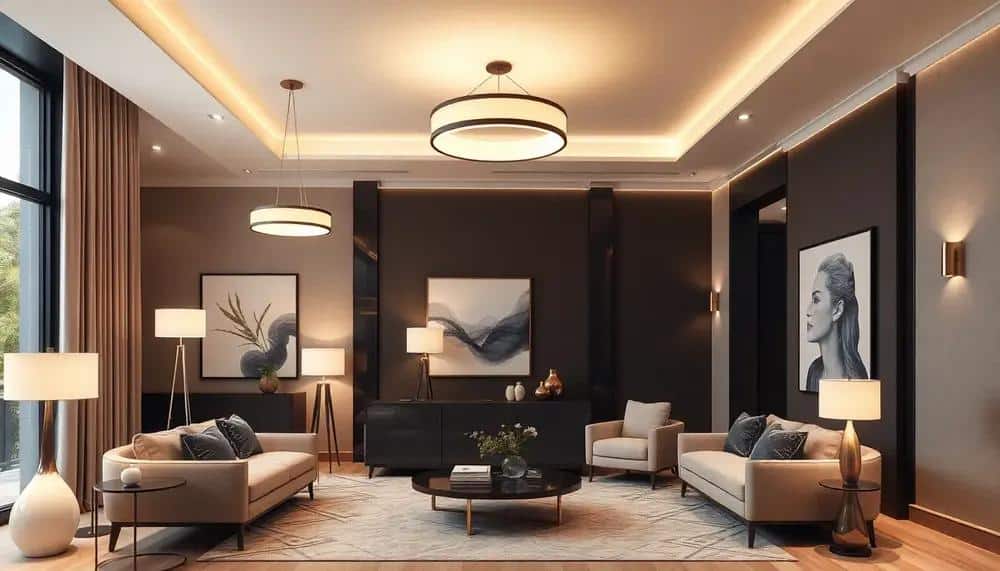
When people think about interior design, they often focus on furniture, paint colors, flooring, and décor. While these elements are important, one feature has the power to completely transform a space: lighting.
The right lighting doesn’t just help you see—it shapes how a room feels, influences mood, highlights architectural details, enhances colors, and creates a welcoming atmosphere. Even the most beautifully decorated room can appear flat or uninviting if it’s poorly lit.
Whether you’re decorating a new home or refreshing your current space, these 12 expert lighting tips will help you create interiors that are stylish, functional, and inviting.
1. Start with Layered Lighting


Professional interior designers rarely rely on a single light source.
Instead, they combine three essential lighting layers:
- Ambient lighting for general illumination
- Task lighting for activities such as reading or cooking
- Accent lighting to highlight décor and architectural features
Layering creates depth and gives you flexibility to adjust the mood throughout the day.
2. Make Lighting a Design Feature
Your light fixtures should do more than provide illumination—they should also enhance your décor.
Statement fixtures such as:
- Chandeliers
- Pendant lights
- Sculptural ceiling fixtures
can become stunning focal points that define the character of a room.
3. Choose the Right Color Temperature
Different light colors create different moods.
| Color Temperature | Appearance | Best For |
|---|---|---|
| 2700K | Warm White | Living Rooms, Bedrooms |
| 3000K | Soft White | Dining Rooms |
| 4000K | Neutral White | Kitchens |
| 5000K | Daylight | Home Offices |
Matching color temperature to a room’s purpose creates a more comfortable living environment.
4. Highlight Architectural Features


Good lighting draws attention to your home’s best features.
Use accent lighting to showcase:
- Stone walls
- Fireplaces
- Built-in shelving
- Exposed beams
- Artwork
- Textured finishes
Small lighting details often create the biggest visual impact.
5. Mix Decorative and Functional Lighting
Beautiful interiors balance style with practicality.
For example:
- Pair recessed lights with decorative pendants.
- Combine wall sconces with table lamps.
- Use under-cabinet lighting alongside ceiling fixtures.
This approach ensures every room looks elegant while remaining functional.
6. Scale Fixtures to the Room
Oversized fixtures overwhelm small rooms, while undersized fixtures can feel insignificant.
A simple guideline:
Add the room’s length and width (in feet).
Example:
- 12 ft + 14 ft = 26
Choose a fixture approximately 26 inches in diameter.
Properly scaled lighting helps maintain visual balance.
7. Use Lighting to Define Spaces
Open-concept homes benefit greatly from strategic lighting placement.


Examples include:
- Pendant lights above kitchen islands
- Chandeliers over dining tables
- Floor lamps in conversation areas
Lighting naturally separates functional zones without adding walls.
8. Install Dimmer Switches
One room often serves multiple purposes throughout the day.
Dimmer switches allow you to:
- Create cozy evenings
- Brighten spaces for cleaning
- Adjust lighting for entertaining
- Reduce energy consumption
They’re one of the easiest upgrades for improving your home’s atmosphere.
9. Incorporate LED Lighting Throughout the Home
LED technology offers both beauty and efficiency.
Benefits include:
- Lower energy costs
- Longer lifespan
- Minimal heat production
- Wide range of color temperatures
- Smart home compatibility
Modern LED fixtures are available in nearly every style imaginable.
10. Balance Natural and Artificial Light
Take advantage of daylight whenever possible.
Position mirrors strategically to reflect natural light, and choose window treatments that allow sunlight to filter into your home while maintaining privacy.
In the evening, artificial lighting should complement the natural brightness you enjoy during the day.
11. Keep Lighting Styles Consistent


While each room can have its own personality, maintaining a consistent design language creates a cohesive home.
Examples include:
- Matte black fixtures for modern interiors
- Bronze finishes for farmhouse designs
- Brushed nickel for transitional homes
- Crystal chandeliers for traditional spaces
Consistency ties your interior design together.
12. Don’t Forget Accent Lighting
Accent lighting is often overlooked, yet it adds warmth and sophistication.
Consider adding:
- LED strip lighting under shelves
- Picture lights
- Cabinet lighting
- Stair lighting
- Cove lighting
These subtle touches create depth and elevate the overall design.
Room-by-Room Lighting Inspiration
Living Room
- Chandelier or ceiling light
- Floor lamps
- Table lamps
- Wall sconces
Kitchen
- Recessed lighting
- Pendant lights
- Under-cabinet lighting
Dining Room
- Statement chandelier
- Wall sconces
- Buffet cabinet lighting
Bedroom
- Flush mount ceiling light
- Bedside lamps
- Reading sconces
- Cove lighting
Bathroom
- Vanity lighting
- Ceiling fixture
- Mirror lighting
Home Office
- LED desk lamp
- Ceiling light
- Shelf lighting
Common Interior Lighting Mistakes
Avoid these design errors:
- Relying on one ceiling light
- Using the wrong color temperature
- Choosing fixtures that are too small
- Ignoring dimmers
- Overlooking accent lighting
- Mixing unrelated fixture styles
- Forgetting task lighting
Thoughtful planning ensures your lighting enhances both function and style.
Frequently Asked Questions
Why is lighting important in interior design?
Lighting influences mood, functionality, visual comfort, and how colors and textures appear within a space. It also highlights architectural features and helps create balance throughout a room.
What type of lighting do interior designers recommend?
Most designers recommend combining ambient, task, and accent lighting to achieve a layered lighting plan that is flexible and visually appealing.
What color temperature is best for interior spaces?
Warm white (2700K–3000K) works well in relaxing areas, while neutral white (4000K) is ideal for kitchens and task-oriented spaces.
Are LED lights best for interior design?
Yes. LED lighting offers exceptional energy efficiency, long lifespan, versatile color temperatures, and stylish fixture options suitable for every room.
Final Thoughts
Lighting is one of the most influential elements of interior design, capable of transforming the look, feel, and functionality of every room in your home. By layering light sources, choosing fixtures that complement your décor, selecting appropriate color temperatures, and incorporating energy-efficient LED technology, you can create spaces that are both beautiful and practical.
Whether you’re updating a single room or planning a complete home renovation, thoughtful lighting choices will enhance your home’s character, improve everyday comfort, and showcase your personal style. Invest in quality fixtures, embrace layered lighting, and let light become one of the defining features of your interior design.