


Choosing the right light bulb isn’t just about brightness anymore. Today’s homeowners have several lighting technologies to choose from, each offering different levels of energy efficiency, lifespan, brightness, color quality, and cost.
The three most common types of household light bulbs are LED (Light Emitting Diode), Incandescent, and Compact Fluorescent Lamps (CFLs). While they all provide illumination, they differ significantly in performance and long-term value.
If you’re wondering which bulb is the best choice for your home, this guide compares all three to help you make an informed decision.
Understanding the Three Main Types of Light Bulbs


LED Bulbs
LED bulbs produce light by passing electricity through a semiconductor. Unlike traditional bulbs, they generate very little heat and convert most of their energy into light.
Today, LEDs are the most popular lighting option because they are highly energy-efficient, long-lasting, and available in a wide variety of shapes, sizes, and color temperatures.
Incandescent Bulbs
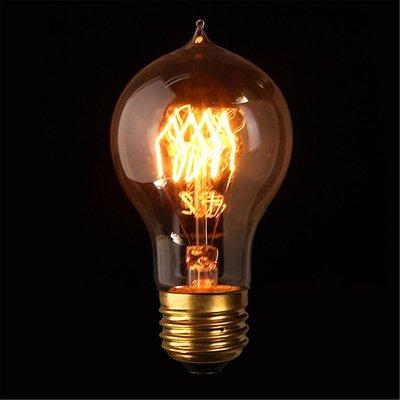
Incandescent bulbs create light by heating a tungsten filament until it glows.
They’ve been used for over a century and are known for producing warm, pleasant light. However, they consume much more electricity than newer technologies and have a relatively short lifespan.
CFL Bulbs
Compact Fluorescent Lamps (CFLs) use an electric current to excite mercury vapor, producing ultraviolet light that is converted into visible light by a phosphor coating.
CFLs were once considered a major energy-saving alternative to incandescent bulbs but have largely been replaced by LEDs.
Side-by-Side Comparison
| Feature | LED | Incandescent | CFL |
|---|---|---|---|
| Energy Efficiency | ★★★★★ | ★ | ★★★ |
| Lifespan | 15,000–50,000 hours | 750–2,000 hours | 8,000–10,000 hours |
| Heat Production | Very Low | Very High | Moderate |
| Electricity Usage | Lowest | Highest | Moderate |
| Initial Cost | Higher | Lowest | Moderate |
| Long-Term Savings | Excellent | Poor | Good |
| Dimmable Options | Many Available | Yes | Limited |
| Environmental Impact | Excellent | Poor | Moderate |
Energy Efficiency


One of the biggest differences between these bulbs is how efficiently they convert electricity into light.
LED
LEDs use approximately 75–90% less electricity than incandescent bulbs while producing the same amount of light.
Example:
- 60W Incandescent
- 13W CFL
- 8–10W LED
All produce roughly the same brightness.
Winner:
🏆 LED
Lifespan
Replacing bulbs frequently can become expensive and inconvenient.
Average Lifespans
- LED: 15,000–50,000 hours
- CFL: 8,000–10,000 hours
- Incandescent: 750–2,000 hours
An LED bulb can last over 15 years under normal household use.
Winner:
🏆 LED
Brightness (Lumens)
Modern bulbs are measured by lumens, not watts.
| Brightness | LED | CFL | Incandescent |
|---|---|---|---|
| 450 lumens | 4–5W | 8W | 40W |
| 800 lumens | 8–10W | 13W | 60W |
| 1,100 lumens | 12–14W | 18W | 75W |
| 1,600 lumens | 16–20W | 23W | 100W |
Rather than choosing bulbs based on wattage, shop according to the lumens you need.
Color Temperature Options


Different rooms benefit from different lighting colors.
| Color Temperature | Appearance | Best For |
|---|---|---|
| 2700K | Warm White | Bedrooms, Living Rooms |
| 3000K | Soft White | Dining Rooms |
| 4000K | Neutral White | Kitchens |
| 5000K | Daylight | Offices, Garages |
LEDs offer the widest selection of color temperatures, making them suitable for virtually every room.
Heat Production
Incandescent bulbs waste a significant amount of energy by producing heat rather than light.
Approximate energy conversion:
- Incandescent: Up to 90% heat
- CFL: Moderate heat
- LED: Minimal heat
Lower heat production makes LEDs safer around fabrics, cabinets, and enclosed fixtures.
Environmental Impact
LED
- Lowest energy use
- Long lifespan
- No mercury
- Fully recyclable in many areas
CFL
- Lower energy use than incandescent
- Contains small amounts of mercury
- Requires proper recycling
Incandescent
- High electricity consumption
- Short lifespan
- Greater environmental impact due to frequent replacement
Upfront Cost vs. Long-Term Savings
Incandescent bulbs are inexpensive to purchase, but they consume much more electricity and require frequent replacement.
LEDs usually cost more initially but quickly pay for themselves through lower energy bills and a much longer lifespan.
For most households, LEDs offer the lowest total cost of ownership over time.
Which Bulb Is Best for Each Room?
| Room | Recommended Bulb |
|---|---|
| Living Room | LED Warm White (2700K) |
| Bedroom | LED Warm White (2700K) |
| Kitchen | LED Neutral White (4000K) |
| Bathroom | LED Soft White (3000K–4000K) |
| Office | LED Daylight (5000K) |
| Garage | LED Daylight (5000K) |
| Outdoor Fixtures | Weather-rated LED |
Advantages and Disadvantages
LED
Pros
- Extremely energy efficient
- Long lifespan
- Minimal heat
- Instant full brightness
- Available in many colors and styles
- Durable and shock-resistant
Cons
- Higher initial purchase price
- Some fixtures require compatible dimmers
Incandescent
Pros
- Low purchase cost
- Excellent color rendering
- Fully dimmable
Cons
- Short lifespan
- High electricity usage
- Produces excessive heat
- Frequent replacements
CFL
Pros
- More efficient than incandescent
- Longer lifespan than incandescent
- Lower operating costs
Cons
- Contains mercury
- Takes time to reach full brightness
- Performance decreases in cold temperatures
- Becoming less common as LEDs dominate the market
Frequently Asked Questions
Are LED bulbs worth the extra cost?
Yes. Although they cost more upfront, LEDs typically last many times longer than incandescent and CFL bulbs while using much less electricity, making them the most cost-effective option over time.
Can I replace incandescent bulbs with LED bulbs?
In most cases, yes. Simply choose an LED bulb with the same base type and equivalent lumen output.
Do LED bulbs work with dimmer switches?
Many do, but you’ll need a dimmable LED bulb and, in some cases, an LED-compatible dimmer switch.
Why are CFL bulbs being replaced?
LED technology has surpassed CFLs in efficiency, lifespan, durability, and environmental friendliness while avoiding the use of mercury.
Final Verdict
For nearly every home lighting application, LED bulbs are the clear winner. They use significantly less energy, last much longer, produce very little heat, and come in a wide range of brightness levels and color temperatures to suit every room.
Incandescent bulbs still offer excellent color quality and full dimming capabilities, but their high energy consumption and short lifespan make them less practical for everyday use. CFL bulbs provide better efficiency than incandescent bulbs, but their mercury content, slower warm-up time, and limited lifespan have caused them to fall behind modern LED technology.
If you’re replacing old bulbs or upgrading your home’s lighting, choosing LED bulbs is the smartest investment for long-term savings, performance, and sustainability. Whether you need warm ambient lighting for your living room, bright task lighting for your kitchen, or daylight illumination for your workspace, there’s an LED bulb designed to meet your needs.